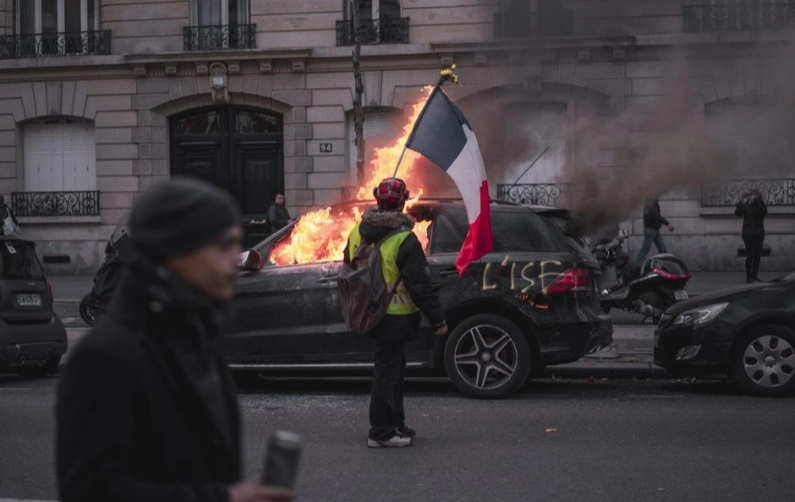
Protests erupt across Europe amid various grievances
Section: News
The three largest political groups in the European Parliament have agreed to loosen the European Union's planned 2035 ban on new combustion-engine cars, according to a compromise document reported by the German newspaper Augsburger Allgemeine in its Wednesday edition.
Under the deal reached by leaders of the Christian Democrats, Social Democrats and Liberals, automakers would only need to cut greenhouse gas emissions from new car fleets by 87.5 percent, rather than eliminating them entirely, provided the vehicles use steel produced through climate-friendly methods.
Manfred Weber, who leads the European People's Party group in parliament, confirmed to the newspaper that an agreement had been reached. "The end of the combustion engine is off the table," he said.
The emerging compromise marks a departure from the EU's original 2035 target, which had called for a full phase-out of new combustion-engine car sales as part of the bloc's climate strategy.
Bavarian state premier and CSU leader Markus Söder welcomed the apparent majority forming around the proposal, calling it an important step forward. "We are moving in the right direction," Söder told the newspaper.
He said the shift represented an opening for what he described as the "high-tech combustion engine" and said it offered an opportunity for the German auto industry.
Not everyone in the industry views the compromise as sufficient. Hildegard Müller, president of the German Association of the Automotive Industry, known as the VDA, said the proposal still falls short in key respects.
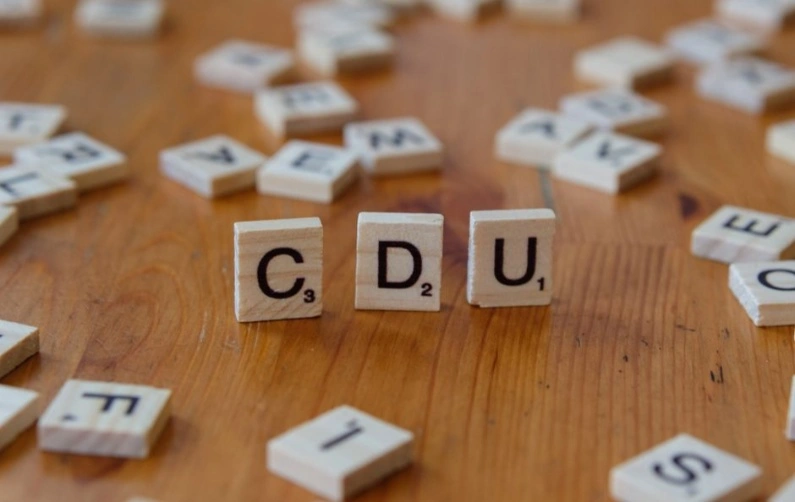
Müller said the plan does not go as far as changes she considers necessary, pointing to an earlier proposal floated by German CDU leader Friedrich Merz and French President Emmanuel Macron, which had called for a 90 percent cut in emissions rather than 87.5 percent.
The comparison to the Merz-Macron proposal highlights a gap between what industry figures and some political leaders had sought and what the parliamentary groups have now put forward.
Green party member of the European Parliament Michael Bloss criticized the compromise sharply, telling the newspaper that the initial deal falls short of what Germany and France had agreed upon.
"This first deal still falls behind what Germany and France agreed on," Bloss said. He argued the watered-down target would hinder the expansion of electric vehicles, saying it would become "a ball and chain for the booming ramp-up of electric cars."
The 2035 deadline has been a central pillar of the European Union's strategy to cut transport emissions and meet broader climate targets under the European Green Deal. Automakers across the bloc have been investing heavily in electric vehicle production in anticipation of the ban, while also lobbying for flexibility on the rules given competitive pressure from manufacturers in China and the United States.
The compromise document reportedly reflects an attempt to balance those industry concerns with the EU's climate commitments, though it remains unclear how the final legislation will take shape as it moves through further stages of negotiation among the parliament's groups and EU member states.
Reactions from across the political spectrum suggest the issue will remain contentious as the bloc works toward a final version of the rules governing new car emissions standards heading into the next decade.
Section: News
Section: Business
Section: Politics

Section: Politics
Section: Business
Section: Business

Section: Science
Section: Business
Section: Science
Section: News
Both private Health Insurance in Germany and public insurance, is often complicated to navigate, not to mention expensive. As an expat, you are required to navigate this landscape within weeks of arriving, so check our FAQ on PKV. For our guide on resources and access to agents who can give you a competitive quote, try our PKV Calculator.
Germany is famous for its medical expertise and extensive number of hospitals and clinics. See this comprehensive directory of hospitals and clinics across the country, complete with links to their websites, addresses, contact info, and specializations/services.
Didn't manage to get a ticket for Linkin Park? Or still not enough after the concert? Join us at CRASH on June 12th for our "IN THE END" Linkin Park Special + CORE NIGHT.All night long, we'll be playing Linkin Park's music, along with Nu Metal, Metalcore, and Alternative Rock from bands such as Limp...

No comments yet. Be the first to comment!