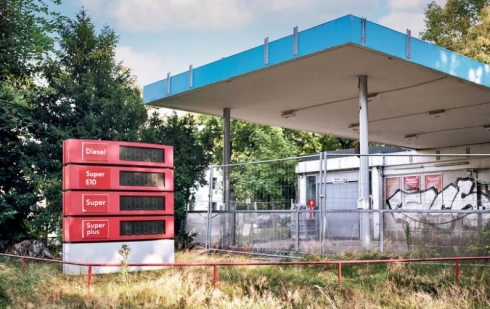
German Diesel Prices Hit Record High Amid Red Sea Crisis
Section: Politics
Diesel prices in Germany climbed to their highest level on record this week as an escalating conflict in the Middle East, driven by Houthi advances along the Red Sea, continues to unsettle global oil markets. Industry observers now say pump prices may not return to normal levels until well into 2027, even if a peace agreement is eventually reached.
According to figures released by the German automobile association ADAC, a liter of diesel cost an average of 2.453 euros nationwide on Wednesday. That figure surpasses the previous record set in April, marking the highest price for the fuel since ADAC began tracking daily national averages.
Gasoline prices have followed a similar trajectory. E10 fuel reached 2.30 euros per liter on Wednesday, the fourth consecutive day the fuel has set a new high, ADAC data show.
The price surge has accelerated since the outbreak of war between the United States and Iran at the end of February. Since then, diesel prices in Germany have risen by nearly 71 cents per liter, while E10 has climbed almost 54 cents, according to the association's figures.
Despite the record nominal prices, ADAC noted that when adjusted for inflation, fuel costs in Germany have been higher at points in the past, suggesting current prices, while historically steep in absolute terms, have not yet exceeded previous peaks once inflation is factored in.
The renewed pressure on oil markets stems in large part from the advance of Houthi forces along shipping lanes in the Red Sea, a route critical to global energy transport. The escalation has heightened concerns among traders and refiners about the security of tanker traffic through one of the world's busiest maritime corridors for oil and gas shipments.
Energy industry analysts cited in market assessments say that even in the event of a negotiated peace settlement in the region, the disruption to shipping routes, refining capacity and long-term supply contracts has been severe enough that markets are unlikely to fully stabilize before 2027. That timeline reflects the scale of adjustments oil companies, shipping firms and logistics networks would need to make to restore pre-conflict trade patterns, according to those industry assessments.
For German motorists, the immediate effect has been sustained high costs at the pump, with no clear indication from fuel retailers or market analysts of when relief might arrive. ADAC's daily price tracking, which draws on data from filling stations across the country, has shown a steady upward trend in both diesel and gasoline prices in recent weeks.
The rise in diesel prices carries particular significance for Germany's economy, given the fuel's widespread use in commercial transport, logistics and agriculture. Higher diesel costs are typically passed through supply chains, potentially affecting the price of goods and services well beyond the fuel pump itself.
Market watchers have pointed to the Red Sea route's importance as a conduit for crude oil and refined products moving between the Middle East, Europe and Asia. Disruptions or heightened risk premiums tied to that corridor tend to ripple quickly through global benchmark prices, which in turn influence retail fuel costs in import-dependent countries such as Germany.
ADAC has continued to publish daily average fuel prices as part of its regular market monitoring, a practice the association uses to inform consumers and track trends across Germany's more than 14,000 filling stations. The organization has not issued a specific forecast for how long current price levels might persist, deferring instead to broader industry assessments tied to the trajectory of the Middle East conflict.
The war between the United States and Iran, which began in late February, has added a further layer of uncertainty to a market already strained by geopolitical tension in the region. Combined with the Houthi advance along the Red Sea, the conflict has left oil traders bracing for continued volatility in the months ahead.
No German government agency has announced measures specifically aimed at cushioning consumers from the latest round of price increases, and fuel retailers have given no indication of when prices might ease from their current record levels.
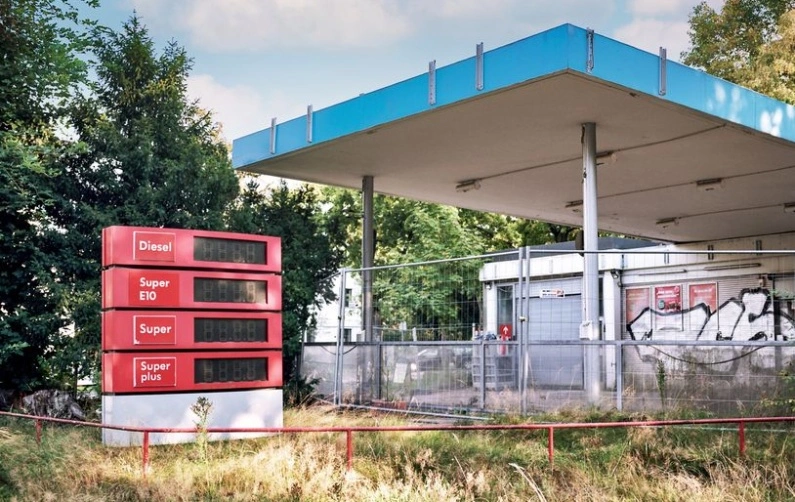
Photo by Simberto Brauserich on Pexels
Section: Politics

Section: Business
Section: Politics
Section: Business
Section: Business

Section: Arts
Section: News

Section: News
Section: Business

Section: Health
Both private Health Insurance in Germany and public insurance, is often complicated to navigate, not to mention expensive. As an expat, you are required to navigate this landscape within weeks of arriving, so check our FAQ on PKV. For our guide on resources and access to agents who can give you a competitive quote, try our PKV Cost comparison tool.
Germany is famous for its medical expertise and extensive number of hospitals and clinics. See this comprehensive directory of hospitals and clinics across the country, complete with links to their websites, addresses, contact info, and specializations/services.
Didn't manage to get a ticket for Linkin Park? Or still not enough after the concert? Join us at CRASH on June 12th for our "IN THE END" Linkin Park Special + CORE NIGHT.All night long, we'll be playing Linkin Park's music, along with Nu Metal, Metalcore, and Alternative Rock from bands such as Limp...



No comments yet. Be the first to comment!