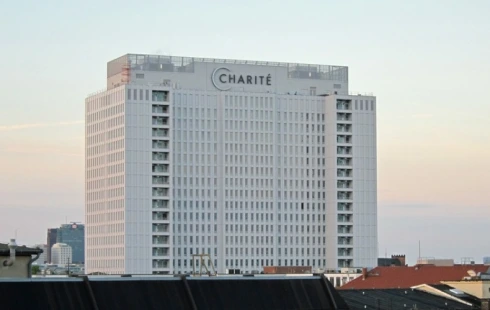
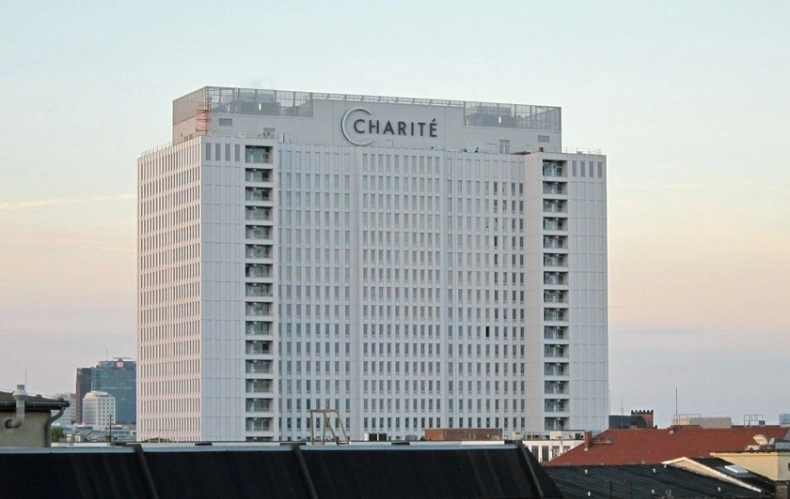
Nursing strike at Berlin's Charité hospital disrupts care beyond its own wards
Section: Health
Nurses at Berlin's Charité university hospital walked off the job this week in a dispute over pay and working conditions, forcing the state-owned medical centre to postpone a large share of scheduled treatments. The walkout, organised as part of an ongoing collective bargaining conflict, is being felt well beyond Charité's own buildings, with other hospitals in the city reporting knock-on effects and the strike becoming a topic of debate among Berlin politicians.
Depending on the ward, Charité said it was deferring between 20 and 30 percent of appointments this week. Hospital officials estimated that figure translates into more than 600 postponed treatments a day across the institution's campuses.
Charité is one of Europe's largest university hospitals and is owned by the state of Berlin, making it a significant employer in the city's health care sector. The scale of the disruption means that patients who would normally be treated at Charité are in some cases being redirected or delayed, with ripple effects reported at other Berlin hospitals that are not themselves party to the labour dispute.
Staff and union representatives involved in the walkout have pointed to staffing levels and pay as the central issues driving the industrial action. The dispute over pay and conditions has been building for some time, with nursing staff arguing that workloads on wards have become unsustainable without corresponding increases in compensation or personnel.
The postponements affect a wide range of scheduled procedures and consultations rather than emergency care, according to the hospital's own figures. Charité has sought to manage the fallout by prioritising which cases proceed and which are rescheduled, though the proportion of affected appointments varies significantly from one department to another.
Because Charité treats patients referred from across the Berlin region and beyond, the disruption has not stayed confined to its own facilities. Other hospitals in the city have reported discussing the situation internally, since some patients unable to be seen at Charité this week are expected to seek treatment elsewhere, adding pressure to capacity at institutions not directly involved in the strike.
The dispute has also become a matter of discussion in Berlin's political circles, given Charité's status as a publicly owned institution funded in part through the city state's budget. As the hospital's ultimate shareholder, the Berlin government has a direct stake in how the pay dispute is resolved, and the walkout has drawn attention from local lawmakers monitoring its effect on patient care across the capital.
Hospital nursing staff in Germany have in recent years repeatedly used strikes as a bargaining tool in disputes over staffing ratios and pay, arguing that chronic understaffing compromises both working conditions and the quality of patient care. Charité, with its size and its role as a teaching and research hospital, has been a focal point for such disputes before.
The hospital has not said how many of its nursing staff took part in this week's walkout, nor has it detailed what proportion of its workforce the postponed appointments affect in absolute terms beyond the percentage figures given per ward. It is also not yet clear how long the industrial action is expected to continue or whether further negotiations between the hospital and staff representatives are scheduled in the immediate future.
For now, Charité says it is working to manage patient scheduling around the reduced capacity, while acknowledging that the scale of postponements, running into the hundreds of treatments daily, represents a substantial disruption to its normal operations this week.
INTERRAILS
Section: Health
Section: News

Section: Politics
Section: News

Section: News
Section: News

Section: News

Section: News

Section: News

Section: Business
Both private Health Insurance in Germany and public insurance, is often complicated to navigate, not to mention expensive. As an expat, you are required to navigate this landscape within weeks of arriving, so check our FAQ on PKV. For our guide on resources and access to agents who can give you a competitive quote, try our PKV Calculator.
Germany is famous for its medical expertise and extensive number of hospitals and clinics. See this comprehensive directory of hospitals and clinics across the country, complete with links to their websites, addresses, contact info, and specializations/services.
Didn't manage to get a ticket for Linkin Park? Or still not enough after the concert? Join us at CRASH on June 12th for our "IN THE END" Linkin Park Special + CORE NIGHT.All night long, we'll be playing Linkin Park's music, along with Nu Metal, Metalcore, and Alternative Rock from bands such as Limp...


No comments yet. Be the first to comment!