Berlin residents describe worsening drug crisis on historic red light street
Section: News
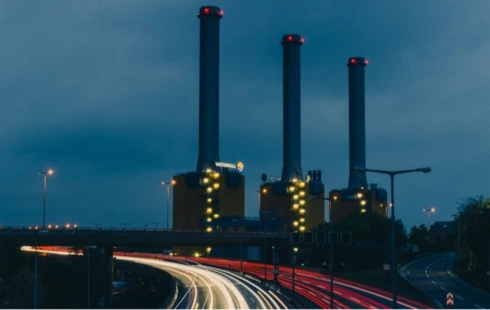
Vattenfall will increase electricity prices for customers on its basic supply tariff in Berlin starting February 1, 2027, the energy company announced. The move follows a similar price increase recently announced by gas supplier Gasag, meaning many Berlin households face higher bills for both electricity and gas in the coming months.
According to Vattenfall, the consumption price under its basic supply tariff will rise from 37.93 cents per kilowatt hour to 42.44 cents, an increase of roughly twelve percent. The company said the base price, which is independent of actual consumption, will remain unchanged.
For an average Berlin household using 2,200 kilowatt hours a year, the increase translates to about 8.27 euros more per month, Vattenfall said. The change applies to customers on the "Berlin Basis Privatstrom" tariff. Affected households are to receive letters detailing the price change in December.
Vattenfall last adjusted prices in April, when it lowered rates. The company said the latest increase is driven mainly by rising grid fees, which make up a significant portion of the overall price of electricity, along with higher procurement costs.
"The vast majority of Berlin customers have in the meantime switched to significantly cheaper special tariffs outside the basic supply," Vattenfall said in a statement. The company noted that customers on special tariffs continue to benefit from the price guarantees written into their contracts and will not be affected by the February increase.
Vattenfall also said that any future reduction in the federal electricity tax would be reflected in customers' individual annual bills in line with legal requirements, though it gave no indication of when such a reduction might occur.
The increase comes shortly after Gasag, Berlin's gas utility, announced it would raise natural gas prices for customers on its basic supply tariff next year. The company cited the continuing fallout from the war in Iran and its effect on international liquefied natural gas trade as a key factor behind the decision.
Gasag said it had managed to keep prices stable for a long period despite months of tension in international energy markets, following a price cut it introduced at the start of 2026. "But the Iran war and its effects on international LNG trade continue," the company said in a statement.
Gasag added that, in addition to the impact of the conflict, it also faces higher grid fees, further pushing up costs for consumers. Notably, the company said it will raise its base price as well, the first such increase in two decades.
Both companies pointed to higher grid fees as a shared factor behind the price increases. Grid fees, which cover the cost of maintaining and operating the electricity and gas networks, are set by network operators and form a substantial part of what customers ultimately pay on their energy bills.
Consumer advocates in Germany have repeatedly urged households on basic supply tariffs to compare offers from other providers, noting that special tariffs often come with lower rates and fixed-price guarantees that protect customers from short-term increases. Vattenfall's own statement acknowledged that most of its Berlin customers have already made that switch, leaving a smaller pool of remaining basic supply customers facing the February increase.
Neither company specified how many households remain on the basic supply tariffs affected by the respective price changes. Vattenfall said letters explaining the new pricing would be sent out before the end of the year, giving customers time to review their options ahead of the February implementation date.
Photo by Christian Ladewig on Unsplash
Section: News
Section: News

Section: News
Section: News
Section: Fashion
Section: News
Section: News
Section: Fashion
Section: Politics
Section: Health
Both private Health Insurance in Germany and public insurance, is often complicated to navigate, not to mention expensive. As an expat, you are required to navigate this landscape within weeks of arriving, so check our FAQ on PKV. For our guide on resources and access to agents who can give you a competitive quote, try our PKV Calculator.
Germany is famous for its medical expertise and extensive number of hospitals and clinics. See this comprehensive directory of hospitals and clinics across the country, complete with links to their websites, addresses, contact info, and specializations/services.
Didn't manage to get a ticket for Linkin Park? Or still not enough after the concert? Join us at CRASH on June 12th for our "IN THE END" Linkin Park Special + CORE NIGHT.All night long, we'll be playing Linkin Park's music, along with Nu Metal, Metalcore, and Alternative Rock from bands such as Limp...



No comments yet. Be the first to comment!